What are some typical application cases of corrosion resistant castings in the marine, chemical, and petroleum industries?
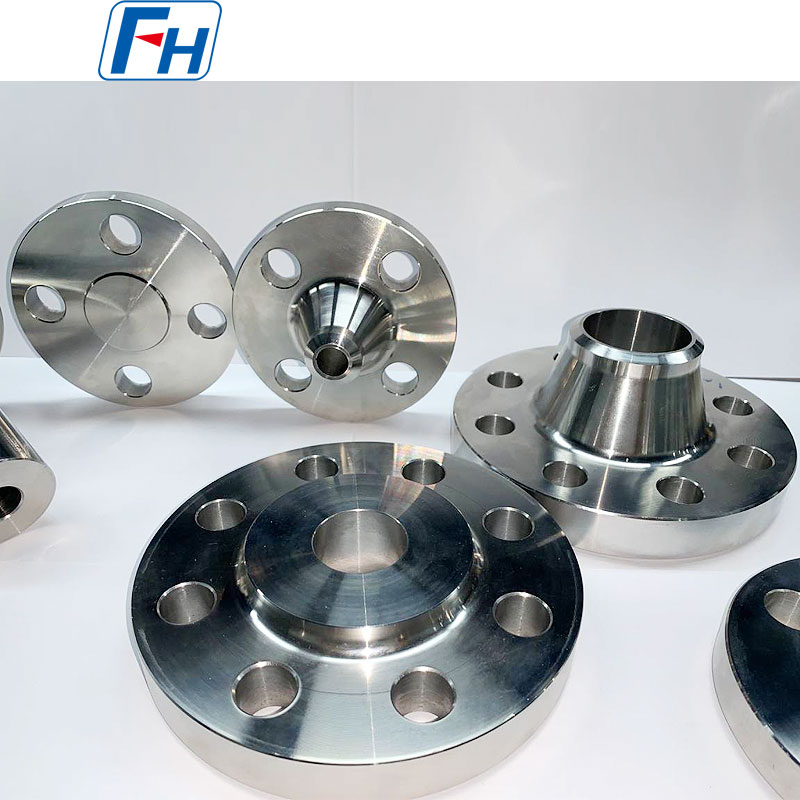
1. Marine Engineering: Nickel-chromium-molybdenum/tungsten high-alloy castings are widely used in pump bodies, valves, and pipe fittings for offshore platforms due to their resistance to pitting and crevice corrosion in seawater environments.
2. Chemical Plants: Corrosion-resistant steel castings containing more than 11% chromium exhibit excellent corrosion resistance in water/steam systems below 315°C in chemical production and are commonly used in internal structural components of heat exchangers and reactors.
3. Petroleum Refining: High-nickel alloy castings used in high-temperature, corrosive media (such as hydrogen sulfide and chlorides) in oil refineries can significantly extend the service life of critical components such as furnace tubes and heat exchangers.
4. Oil and Gas Transportation: In valves and joints of oil and gas pipelines, corrosion resistant castings can resist the erosion of water-containing and acidic gases, reduce the risk of leakage, and improve system reliability.
What are the commonly used heat treatment processes for producing corrosion resistant castings?
1. Solution Annealing & Quenching: Solution treatment is performed at around 1000°C, followed by rapid water cooling to redissolve harmful phases such as carbides and σ phases, restoring the austenitic structure and improving corrosion resistance.
2. Homogenization Annealing: Typically held at 950–1100°C for 2–3 hours, this eliminates compositional segregation and residual stress from casting, significantly reduces the probability of σ phase precipitation, and improves high-temperature strength and crack resistance.
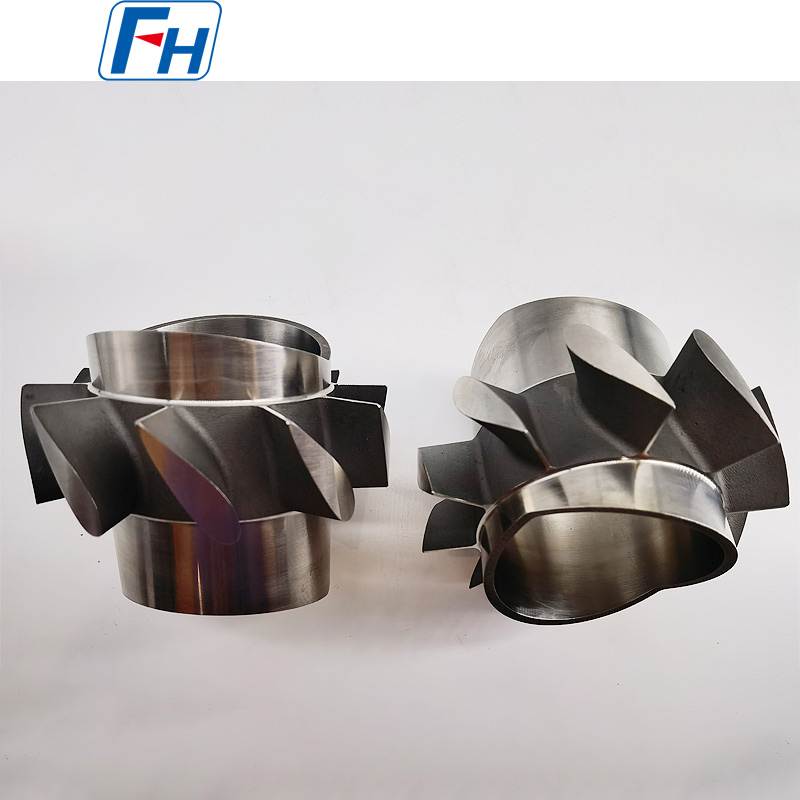
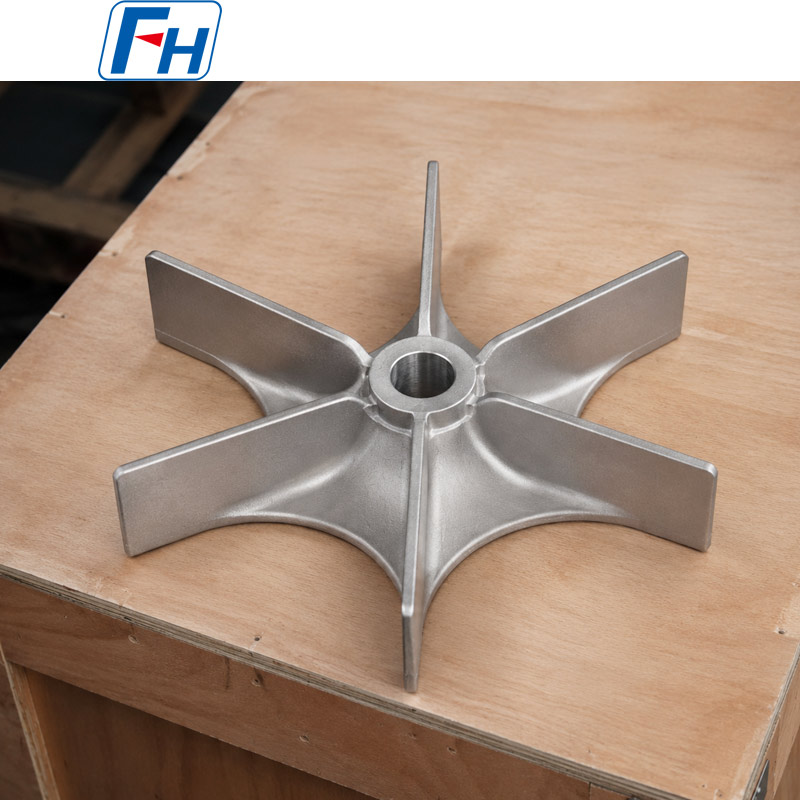
3. Normalizing: Normalizing low-alloy corrosion resistant castings at 800–950°C refines the grains, homogenizes the microstructure, improves mechanical properties, and facilitates subsequent stress relief. 7. Precipitation Hardening: For high-alloy castings containing alloying elements such as Ni, Mo, and Ti, aging treatment at 600–700°C is used to make the precipitated phases evenly distributed, thereby improving hardness and wear resistance. It is often used in stress-bearing parts such as furnace rollers and fan blades.


 0086-13338774804





 Tel: 0510-83310100
  Email: info@alloy-casting.com
  Add: Room 1105,Building 6, Jiaye Wealth Center,Wuxi, Jiangsu, P.R.China P.C.:214000.